Sources checked 8 October 2026. General information, not individual advice.
Warsaw is divided into districts (dzielnice), and several of them are larger than many towns. "Which district?" is usually the wrong first question. A better one is: what does your normal week need, and which streets make that easy?
Start with your routine, not the map
- Commute. Where will you go most often, and how? Living near metro line M1 or M2 changes daily life more than almost anything else.1
- Car or no car. Many central and inner districts work well without one. Outer areas often assume you drive.
- Pace and noise. Do you want cafés downstairs, or a quiet street ten minutes from them?
- Green space. A daily walk, a dog, a running habit or children all raise the value of a nearby park.
- Housing type. This shapes your daily experience as much as the district does.
Know the main housing types
Pre-war buildings often have high ceilings and character, and some have no lift. Postwar and communist-era blocks are widespread, vary a great deal in condition and are often near good transport. Newer developments usually offer lifts and modern layouts, sometimes at the edge of established neighborhoods. None is automatically better; each suits different priorities and budgets.
A neutral comparison of three districts
These three districts contrast well with each other. This is general orientation from public sources, not a recommendation, and conditions vary street by street.2–4
| Factor | Mokotów | Żoliborz | Saska Kępa (Praga-Południe) |
|---|---|---|---|
| Transport | Metro line M1 runs through it (stations include Racławicka, Wierzbno and Wilanowska), plus dense tram and bus routes. | Metro M1 at Plac Wilsona and Marymont, with Dworzec Gdański at the southern edge; trams toward the center. | No metro station in Saska Kępa itself; the nearest is M2 Stadion Narodowy. Trams and buses cross Poniatowski Bridge. |
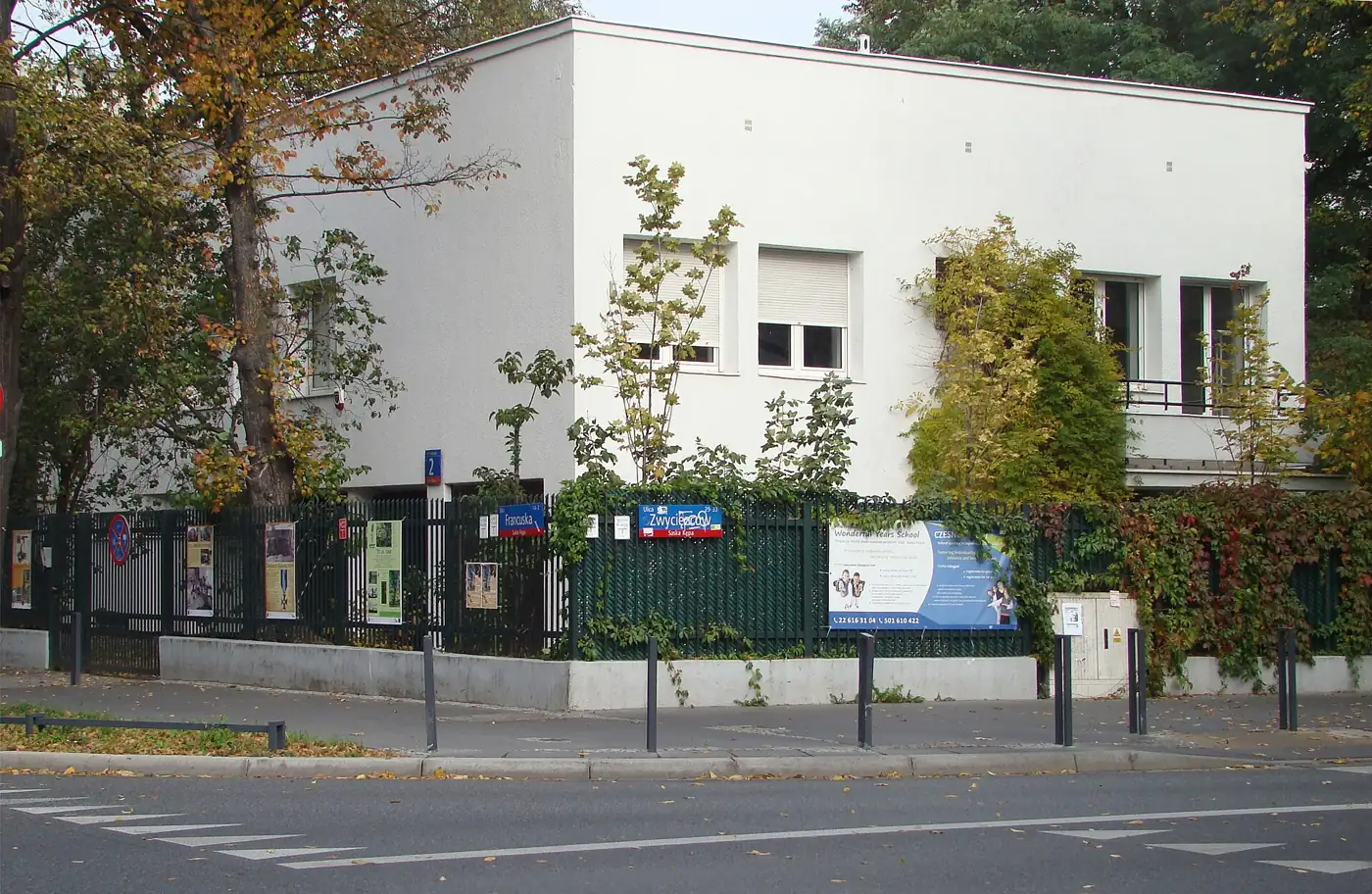
| Housing type | Very mixed: interwar buildings, villa streets, large communist-era estates and newer developments. | Mostly low-rise: 1920s–30s villas and cooperative housing colonies, with later estates further north. | Interwar modernist villas and small apartment buildings, some postwar blocks and newer infill. |
| Noise and pace | Varies a lot by street. Busy office and embassy areas sit next to quiet residential blocks. | A smaller, generally calmer district with a neighborhood feel around Plac Wilsona. | Quiet villa streets, with Francuska Street as the café and shop strip. Stadium events nearby can be busy. |
| Green space | Pole Mokotowskie, Park Morskie Oko, Park Arkadia and the Królikarnia grounds. | Park Kępa Potocka, Park Żeromskiego and the Vistula riverbank nearby. | Park Skaryszewski, one of the city’s large historic parks, and the right-bank riverside. |
| May suit | People who want metro access and a wide choice of housing types in one large district. | People who prefer low-rise streets, parks and a quieter rhythm while staying on the metro. | People who value a village-like street scene and accept tram or bus commutes. |
We deliberately do not publish rent figures or make safety claims about districts here. Rents move quickly and depend on the exact building; safety is personal and street-specific. In a Try Warsaw plan, any cost figure carries its source and the date we checked it.
Test it on the ground
Visit your shortlist at the times you would actually be there: a weekday evening, a Saturday morning, and if you will commute, at rush hour. Walk from the nearest stop to a typical building. Note the sound from main roads and tram lines, where you would buy groceries, and how long it takes to reach green space on foot.
Where we fit
In Try Warsaw, we compare three neighborhoods matched to your answers and build them into your scouting itinerary. In Warsaw Move Coordination, your neighborhood choice becomes part of the housing-search brief we prepare for the property agent you select.
Sources
- Warsaw Metro, Wikipedia (secondary source). Accessed 8 October 2026.
- Mokotów, Wikipedia (secondary source). Accessed 8 October 2026.
- Żoliborz, Wikipedia (secondary source). Accessed 8 October 2026.
- Saska Kępa, Wikipedia (secondary source). Accessed 8 October 2026.